Three bids, three numbers, same brief. What actually separates them — and the five exclusions that come back as invoices.
Read moreAI in Commercial Filmmaking: What's Actually Real Today
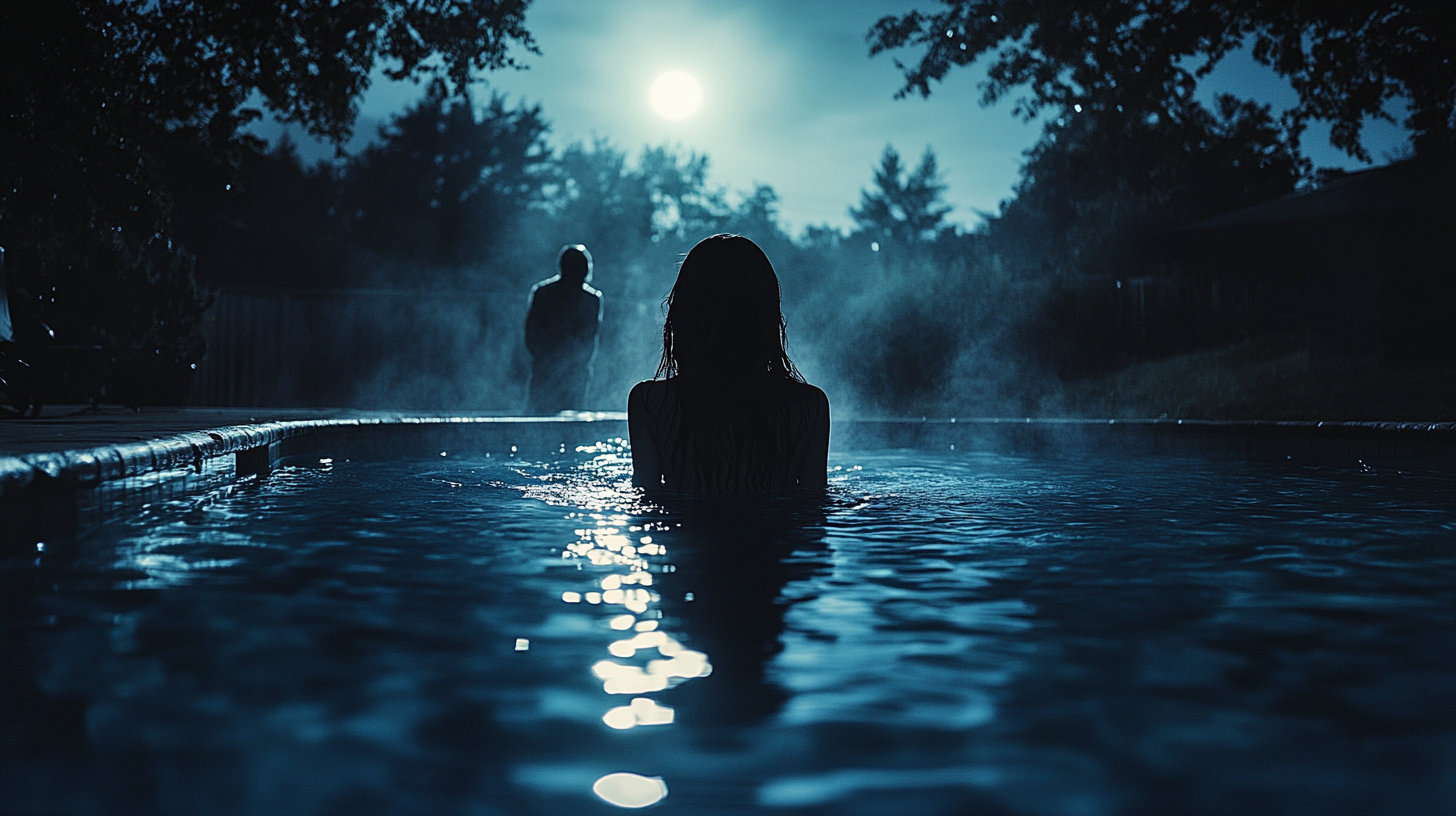
Related: See our AI-driven work · Start a projectEvery brand conversation right now includes some version of the same question: "Can we do this with AI?" The honest answer is sometimes, and it depends what you mean. AI has moved from novelty to a real tool in the production pipeline — but the gap between a slick demo and a broadcast-ready deliverable is still wide. Here's how we actually use it at Static Free Films, and where we still reach for a camera and a crew.
Where AI genuinely earns its place
Pre-visualization and pitching. Generative tools let us show a client a look, a mood, or a sequence in hours instead of days — fewer expensive surprises later, and faster alignment before a dollar of production is spent.
Concepting and variation. Need to see a hero product in ten environments, or a scene at three times of day? AI is excellent for exploring options quickly so the team can choose with confidence.
Post and finishing. AI-assisted rotoscoping, upscaling, cleanup, and audio tools quietly save hours in the edit — the unglamorous work where speed compounds across a whole campaign.
AI-first creative. For the right brief, a fully AI-driven film is the point — a distinctive, otherwise-impossible visual world where the technique is the creative idea, not a shortcut.
Where the hype still outruns the results
Perfect consistency across a long spot. Characters, products, and continuity still drift. Holding a brand's exact product or a recognizable face rock-steady across a 60-second narrative is where fully-generative pipelines still struggle.
True brand-safe control. Clients need to nail a specific logo, a Pantone, a legal-approved claim, a real product. Precision and accountability matter — and that's still where directed live production wins.
"Free" and "instant." Good AI work is neither. It takes craft, iteration, and a team that knows when the tool is helping and when it's inventing problems.
The real answer: hybrid
The most exciting work we're doing isn't AI or traditional production — it's both. Shoot the elements that demand precision and human performance; generate the elements that are impossible, expensive, or better explored digitally; and blend them with a finish no one can see the seams in.
AI didn't replace the filmmaker. It gave the filmmaker a very fast, very literal new department — one that still needs direction.
What Makes a Great Creative Brief (and Why It Saves You Money)
Related: Our branding & design work · Start a projectThe single cheapest way to make a better film is also the most overlooked: a great creative brief. Most budget overruns and disappointing results trace back to a brief that was vague, bloated, or missing entirely. Here's what a strong brief includes — and why getting it right pays for itself many times over.
Start with the goal, not the deliverable
"We need a 60-second video" is a deliverable. "We need to convince mid-market CFOs that our product pays for itself" is a goal. The goal is what lets a creative team make smart decisions about tone, story, and format. Lead with what you want to change, not what you want to receive.
Name the audience — specifically
"Everyone" is not an audience. The more precisely you describe who this is for — their world, their objections, what they already believe — the sharper every creative choice becomes. A film aimed at one real person always outperforms a film aimed at no one.
Say what success looks like
Define the outcome up front: more qualified leads, a shift in perception, a launch that lands. Agreeing on the metric before production means everyone is building toward the same thing — and no one is reverse-engineering success afterward.
Give constraints, not just wishes
Budget range, deadline, must-include elements, brand rules, and hard nos. Constraints aren't the enemy of creativity — they're what focus it. A brief that hides the budget or the deadline just guarantees a painful surprise later.
Leave room for the idea
The best briefs are specific about the problem and generous about the solution. Tell your team what needs to be true; let them surprise you with how. That balance — tight on goals, open on execution — is where great work comes from.
Planning a project? A 30-minute conversation about your goal is the best brief there is — and we're happy to have it.
How Long Does It Take to Produce a Video?
Related: Plan your project with us · See our work"How soon can we have it?" is the second question every brand asks after cost — and like cost, the honest answer depends on what you're making. But video production follows a predictable rhythm, and knowing it helps you plan launches, briefs, and expectations. Here's how the timeline actually breaks down.
The three phases
Every project moves through pre-production (concept, scripting, planning, casting, locations), production (the shoot itself), and post-production (editing, color, sound, graphics). The shoot is usually the shortest phase — the planning and the edit are where the time really lives.
Rough timelines by project type
A simple, single-day social or interview piece can go from kickoff to final in 2–3 weeks. A polished branded film or commercial with real pre-production and post typically runs 4–8 weeks. A larger campaign, a documentary, or anything with heavy VFX or multiple deliverables can run several months. These are ranges, not promises — but they're realistic starting points.
What speeds things up (and what slows them down)
The fastest projects have a clear brief, quick approvals, and a decision-maker who's available. The slowest ones stall in feedback rounds. If you have a hard launch date, tell your partner early — a good team plans backward from it and flags the real deadlines for each phase.
Plan backward from your launch
The biggest scheduling mistake is starting too late. If you know when the video needs to be live, count back through post and production and prep — and start the conversation before that window closes. Great work rarely needs to be rushed; it needs to be started on time.
Working toward a launch date? Tell us when you need it live and we'll map the schedule to hit it.
How Much Does It Cost to Produce a Commercial?
Related: See our commercial & branded content work · Start a project with usIt's the first question almost every brand asks, and the most honest answer is: it depends — but not in a way that should frustrate you. Commercial budgets vary because commercials do wildly different jobs. Here's a straightforward look at what actually drives the cost, so you can plan with confidence instead of guessing.
What you're really paying for
A commercial's budget is mostly people and time: the crew, the gear, the days on set, and the post-production that turns footage into a finished film. A one-day shoot with a small crew and a clean edit sits at one end; a multi-day shoot with a large crew, talent, locations, and heavy post sits at the other. Neither is "right" — the question is what the spot needs to do.
The biggest cost drivers
Shoot days. Every day on set multiplies crew, gear, and location costs — so a tight, well-planned schedule is the single biggest lever on budget. Crew size and talent. A lean documentary-style crew costs a fraction of a full commercial unit with on-camera talent. Locations and build. Practical locations, permits, and set construction add up fast. Post-production. Editing, color, sound, motion graphics, and VFX (including AI-assisted work) can be a little or a lot depending on the finish.
How to get the most for your budget
Tell your production partner the budget range up front. A good team designs the treatment to fit — concentrating spend where it shows on screen and cutting where it doesn't. The worst outcome is a great idea scoped for triple the budget; the best is a team that makes your number look like more.
The bottom line
Rather than chase a single magic figure, start with the goal and the budget you have, and let an experienced partner shape the most ambitious version of the film that fits. That conversation is free — and it's the fastest way to a real number.
Have a project in mind? Tell us the goal and the ballpark, and we'll tell you honestly what's possible.
How to Choose a Commercial Production Company in Los Angeles
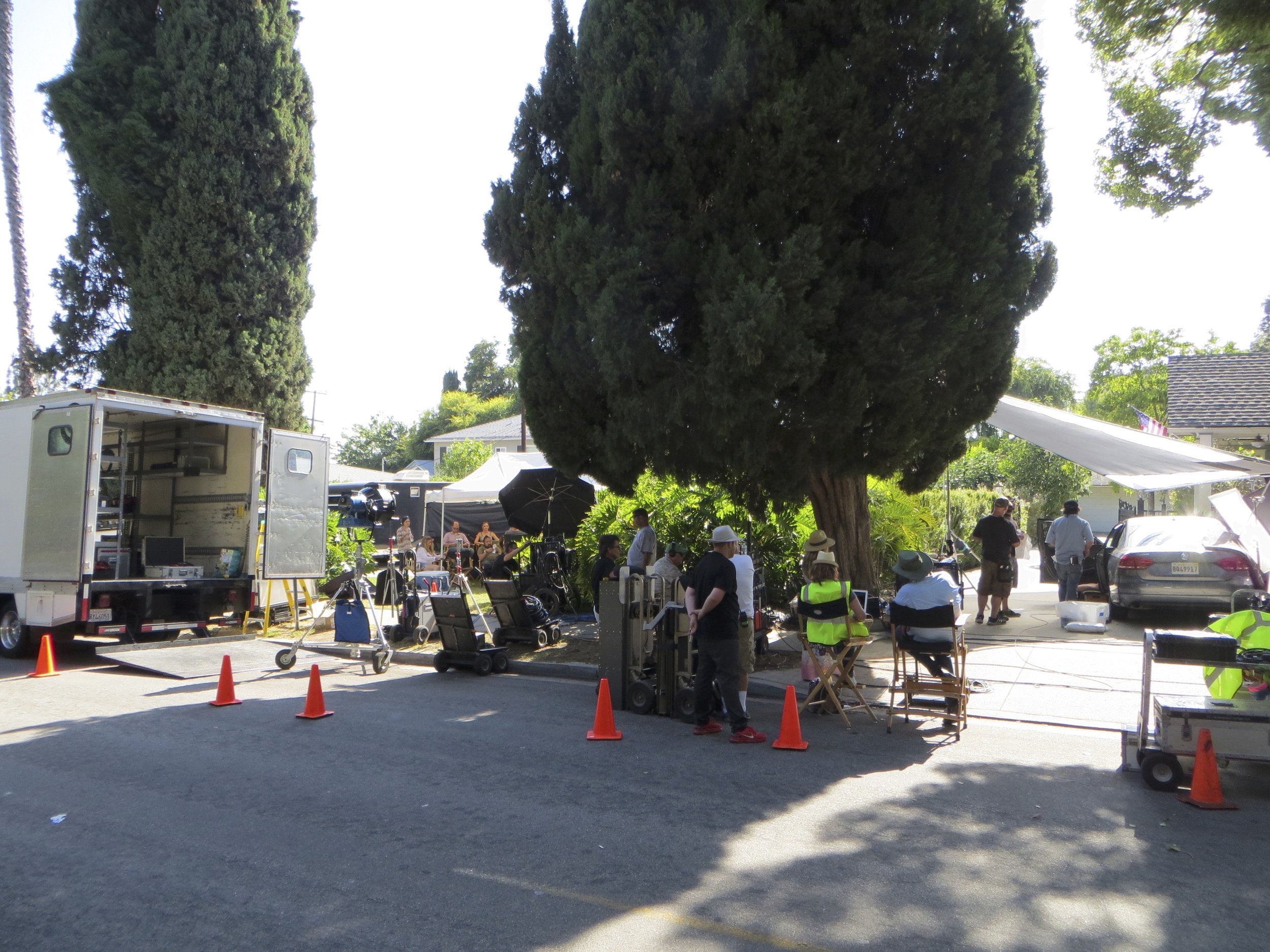
Related: See our commercial work · Meet the team · Start a projectChoosing a commercial production company is a high-stakes decision — you're trusting a team with your brand, your budget, and your deadline. Whether you're a marketing lead briefing your first national spot or a brand founder producing content for the first time, here's how to separate the studios that just shoot pretty footage from the partners who actually deliver results.
1. Watch the reel — then look for range
A great reel is table stakes. What matters more is range: can the studio move between a polished national commercial, a scrappy social cut, a documentary-style brand story, and something more experimental? Range signals a team that solves problems rather than repeating one trick. Look for work in a few different registers, not ten versions of the same spot.
2. Ask about the process, not just the price
Price tells you what a project costs. Process tells you whether it will actually get made on time and on brief. Ask how they scope a project, how they handle revisions, who your day-to-day contact is, and what happens when something goes sideways on set — because something always does. A confident, specific answer is worth more than the lowest bid.
3. Look for outcomes, not just images
The best production partners talk about results: views, engagement, brand lift, a campaign that ran nationally, a film that opened doors. Pretty pictures are easy; work that moved a business metric is rare. Ask what happened after the films they show you were delivered.
4. Values are part of the deliverable now
More brands are held accountable for how their content gets made — not just how it looks. A production company that shoots sustainably, works with diverse crews, and can document those practices protects your brand and reflects its values on screen. If sustainability or representation matter to your company, make them part of the brief and see how the studio responds.
5. The right fit feels like a partnership
The best projects come from a team that pushes your idea further, tells you the truth in pre-production, and treats your budget like their own. You should finish the first conversation feeling more confident about your project, not less. That chemistry is hard to fake — trust it.
At Static Free Films, we've built commercials and branded content for national brands across two decades — cinematic, sustainable, and made to move both people and metrics. If you're weighing your options, we'd love to be one of them.
What “Sustainability-First” Actually Looks Like on a Film Set
Every production leaves a mark. Trucks idle. Sets get built and struck. Crews travel, hotels fill up, and craft services pile up single-use everything. A single big-budget shoot can generate hundreds of tons of CO2.
At Static Free Films, “sustainability-first” isn’t a line in a pitch deck. It’s how we plan the day.
We budget carbon the way we budget dollars. Before a shoot, we map the footprint — travel, power, materials — and look for the cleaner option. Most of the time, lower-carbon turns out to be lower-cost, too.
We hire local. Booking crew and locations here in Los Angeles instead of flying a unit across the country cuts emissions and keeps the work in our community.
We ditch the diesel where we can. Battery systems and grid tie-ins replace generators whenever a location allows. And we cut the waste that never makes it on screen — reusable kits, real dishware, digital sides instead of reams of paper.
But the most sustainable thing we make is a film that actually moves people to care. We’re a minority-owned studio, and that shapes the work: we tell stories that don’t always get told, for brands willing to stand for something.
Over 20 years and more than a billion impressions later, we’ve learned one thing — you don’t have to choose between a film that performs and a film that’s responsible. The best work does both.
Want to make something that moves people and planet? Let’s talk.
Sustainable Commercial Production in Los Angeles & Toronto
Looking for innovative and sustainable commercial production in Los Angeles or Toronto? Look no further than Static Free Films—a minority-owned studio specializing in cinematic storytelling, cutting-edge AI integration, and eco-conscious branding.
Why Choose Static Free Films?
With over 20 years of experience, our team delivers high-impact commercials and branded content that resonate across platforms. From national campaigns for brands like Microsoft, Nestlé, GE, Adidas and Hot Pockets, to viral content featured in major arenas, we combine creativity with purpose. Our work has generated over a billion impressions globally.
Our Services Include:
· Branded Content & Commercials
· AI-Driven Campaigns
· Music Videos & Sonic Branding
· Narrative & Documentary Films
· Sustainable Production Practices
Our Team
Led by Executive Producer/Director Gobi M. Rahimi, our team includes Emmy-nominated composers, VFX experts, and award-winning producers. We pride ourselves on delivering agile, cost-effective solutions without compromising quality.
Ready to Amplify Your Brand?
Whether you're in Los Angeles, Toronto or beyond, Static Free Films is your partner in creating compelling, sustainable content that drives results. Explore our work and get in touch today.